Remembering 9/11/2001
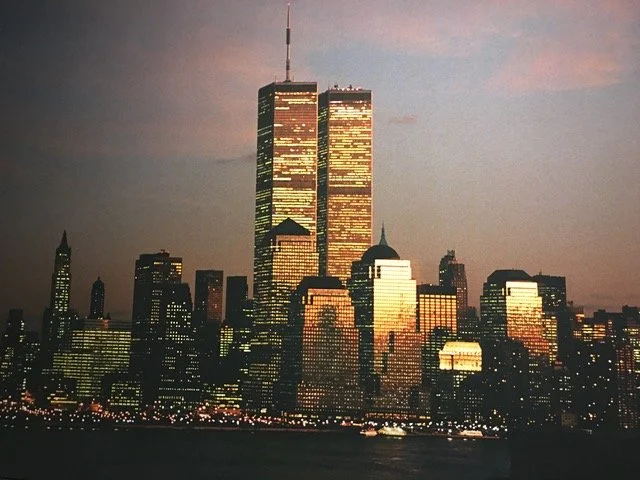
Twenty-five years ago today, the world changed forever. September 11, 2001 had begun as a stunningly beautiful Indian summer morning in New York City. Clear, crisp and bright as the bouquet of zinnias I’d just gathered from our garden at Breakfast Creek. Then for all of America, it quickly turned into nightmarish images of twisted steel, concrete reduced to gray ash, and fire rising up from wounds inflicted as though hell itself had erupted. It would only get worse. The World Trade Towers were gone. The Pentagon still burned two days later. The numbers of the dead anticipated and those who might never be found were astonishing.
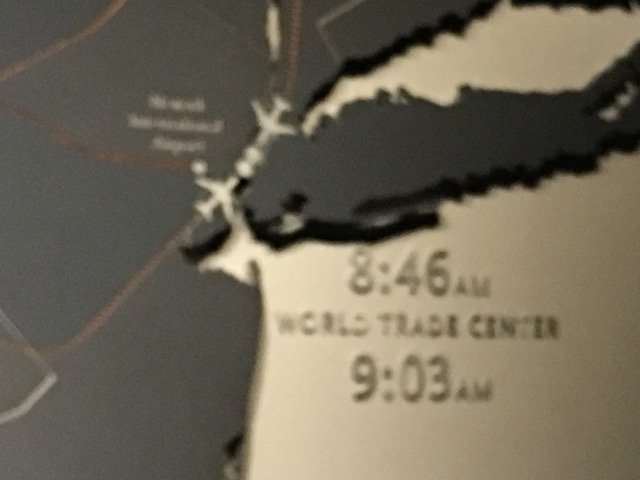
In disbelief, America watched the moments of impact when American Flight 11 and United flight 175 struck the two World Trade Center towers. Mortally wounded, Manhattan’s twin-110 story landmarks were soon reduced to five floors of twisted rubble. Then in Washington, DC, American Flight 77 struck the Pentagon, turning one of its iconic sides into an open inferno. Finally, United Flight 93 crashed in Shanksville, PA after heroic passengers stormed the hijackers when the plane turned around, intent on striking the Capitol Building in Washington.
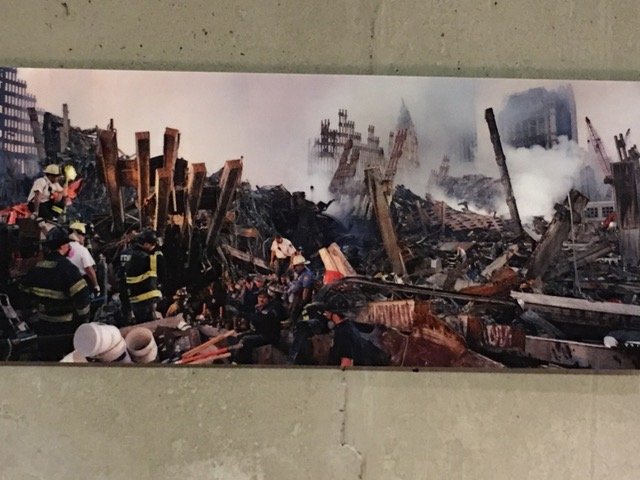
What were the human costs of this national tragedy? The victims fell into groups—employees in the World Trade Center; military personnel in the Pentagon; police men and women and firemen; tourists visiting NYC; and the crews and passengers on the four doomed flights. That was how we referred to them for the first two days. When someone was found in the exhausting searches that continued to go on, we didn’t learn their names, only that five firemen had been found alive 50 hours after the disaster. Hospitals waited to receive victims they might be able to nurse back to health, but few were found alive. Still, firemen and policemen pulled away chunks of concrete until their hands bled, determined to find a lost brother or colleague trapped inside.
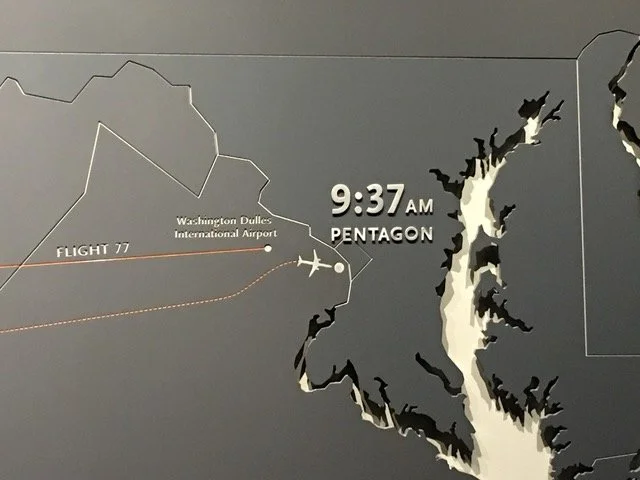
Two days later, newspapers published a partial list of victims who died aboard the four hijacked planes. I read each name—crew first, then passengers—for each of the doomed flights, finally coming to the names of the 66 people on American Flight 77 that struck the Pentagon. I’d left that list until last, knowing I would locate names I did not want to find. Seeing the names would finalize what Kit and I had just learned from friends at National Geographic—news impossible to believe then, and still difficult to comprehend a quarter of a century later.
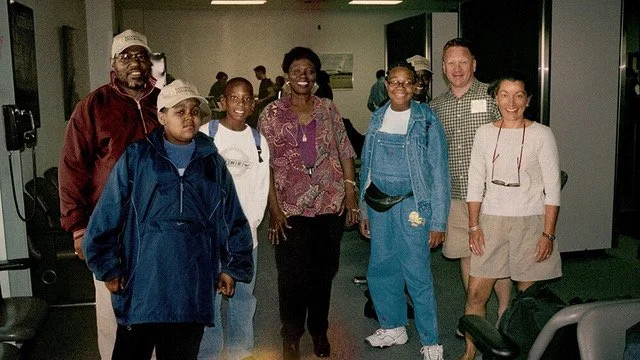
Joe Ferguson and Ann Judge, NG staffers and personal friends of ours for more than fifteen years, had been killed on the plane that crashed into the Pentagon. Traveling with them were three DC teachers—James Debeuneure, Sarah Clark, and Hilda Taylor—and their three 11-year-old sixth grade students—Rodney Dickens, Asia Cottom, and Bernard Brown. They’d all boarded AA Flight 77 at Dulles International Airport that Tuesday morning, bound for Los Angeles and filled with joy and excitement. There, they were to be participants in an educational field trip associated with a Sustainable Seas Expedition—a five-year project of deepwater exploration and public education conducted by National Geographic and the National Oceanic and Atmospheric Administration.
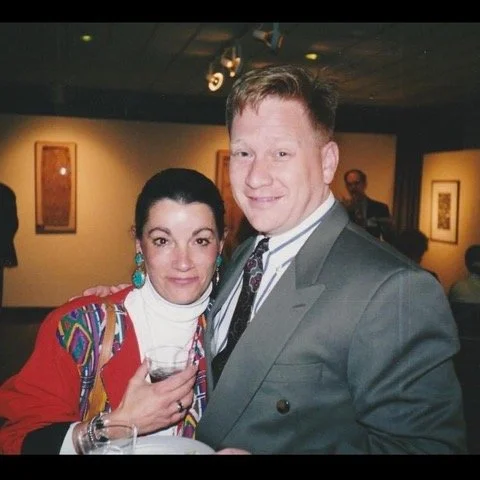
Ann Judge was the Society’s spirited and effervescent Travel Office Director. For 22 years, she had organized travel for NGS staff and photographers. And for more than fifteen years, she had also managed travel arrangements for literally thousands of geography teachers and students from all 50 states, Puerto Rico, the US Territories, and Canada participating in summer Geography institutes, the National Geography Bee, and countless other NG educational outreach programs, both national and international. When possible, Ann accompanied teachers and students on these trips.
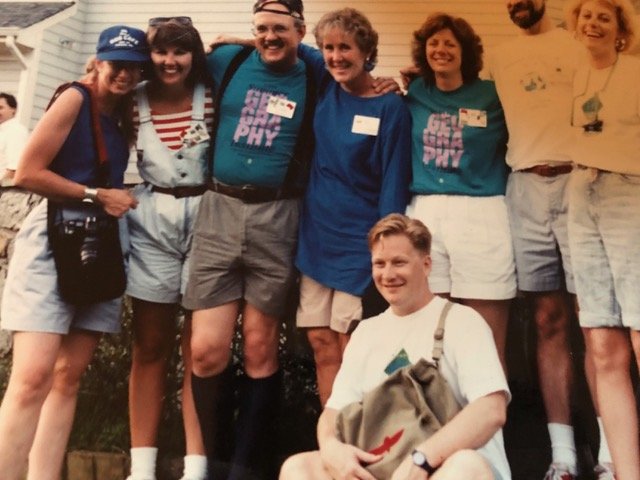
Joe Ferguson arrived at the Society in 1987 when its Geographic Education Program was in its fledgling stage. Kit and I worked with Joe at NG headquarters for two years and later after we moved to Missouri. Joe’s special gift was that he loved teachers and worked tirelessly to provide them with educational opportunities through the Society’s Geography Education Outreach Program and Educational Foundation. Like Ann, he made a point of visiting geography classrooms and ongoing geography workshops around the country.
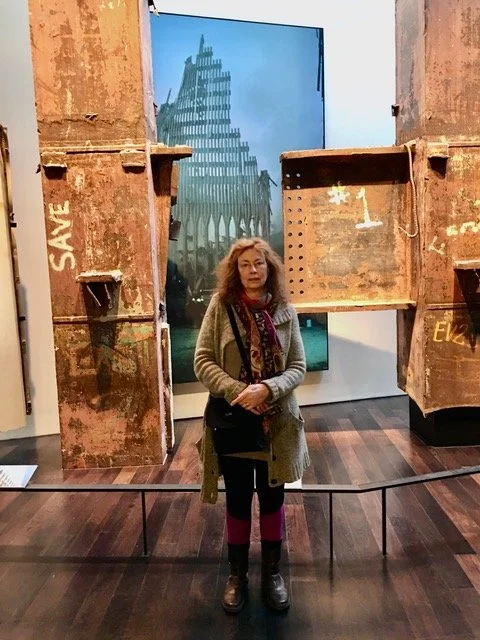
This morning, as I have every 9/11 since 2001, I revisit the events of that September day that began with such promise. Each of the victims of the tragedies that unfolded that fateful morning had family members, friends, colleagues, neighbors, and pets they left behind forever. Each year, when the names of the victims are read aloud at the sites of their deaths, our nation pays tribute to the sacrifice they made for us all as Americans. May they never ever be forgotten.