World War I
As so often happens, my writing journeys begin with a book. This one is no exception. While browsing the shelves of a local thrift shop recently, I discovered a pristine, hardback copy of Major Pettigrew’s Last Stand—the 2010 first novel of writer Helen Simonson. Reading about the author, I’ve learned that she was born in England, spent her teenage years in the small village of Rye in East Sussex, is a graduate of the London School of Economics, is a former travel and advertising executive, and has lived in America for the last three decades. Married, with two sons, she is a dual citizen and proud New Yorker.
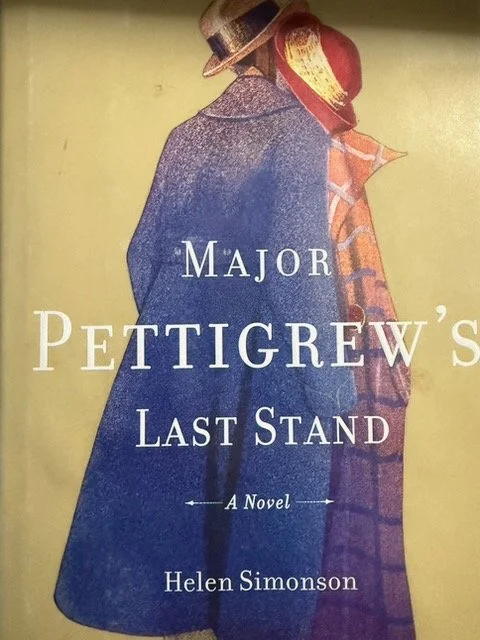
“The Major,” the reader learns, “leads a quiet life valuing proper things that Englishmen have lived by for generations: honor, duty, decorum, and a properly brewed cup of tea. The death of his younger brother sparks an unlikely friendship with Mrs. Jasmina Ali, the Pakistani shopkeeper from the village. Drawn together by their shared love of literature and the loss of their spouses, their friendship blossoms into something more.”
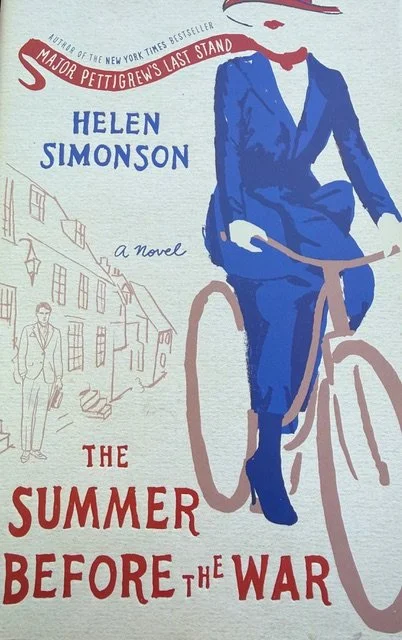
I was immediately hooked and am now deep into Simonson’s second novel, The Summer Before the War—the summer of 1914. It was the golden summer leading to what was then referred to as the Great War. World War I. My grandparents’ war. A war so devastating it was supposed to be the war to end all wars. It’s twenty-first century introduction of the horrors of modern warfare, mustard gas, four years of trench warfare and PTSD shocked the world. And as history teaches us, the redrawing of the maps of Europe and the Middle East that followed had consequences that remain the source of tensions and wars to this day.
In 1960, I was given an assignment by my world history teacher Mr. Day. I was to select a topic to research thoroughly and produce a term paper on my findings at the end of the school year. The topic I chose was “The Causes of World War I.” The assignment changed my life. For that entire year until I handed in my paper on June 6, 1961, I lived in the summer of 1914, filling large note cards with my research and gradually uncovering the causes of the war that broke following that idyllic summer.
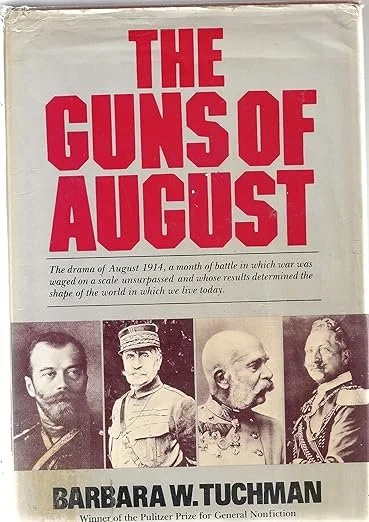
At the same time, a historian who I did not know then was about to publish The Guns of August, also known as August 1914. Her monumental work vividly detailed the series of military errors and miscalculations that led to the outbreak of World War I and the ensuing stalemate of trench warfare during the German offensive in Northern France. Her descriptive analysis led to Mrs. Tuchman being awarded the Pulitzer Prize in 1963. The Guns of August is a historical and literary masterpiece that I am now rereading.
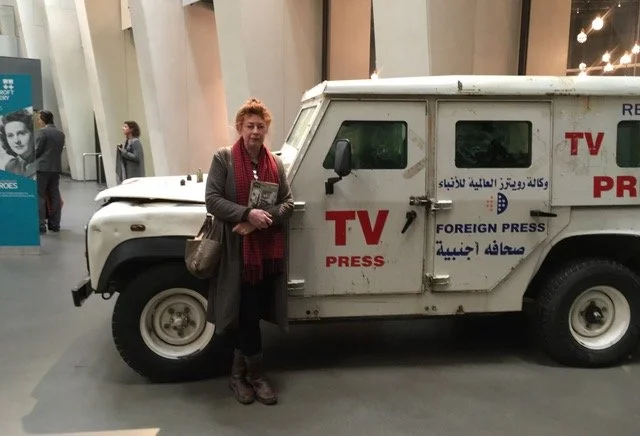
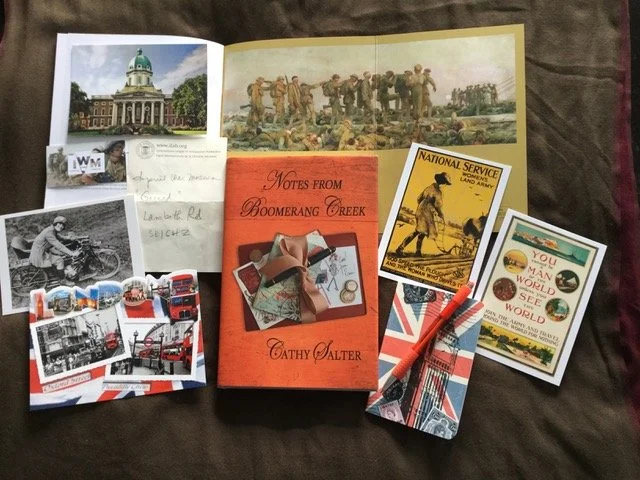
While in London in 2016, Kit and I visited the Imperial War Museum that opened on June 9, 1920. That day just over a century ago, King George V told visitors, “We cannot say with what eyes posterity will regard this museum now or what ideas will rouse in their minds.” Looking back a century later, history has shown that the First World War was a war without end. In his speech, King George V asked visitors who walk through the IWM exhibits and recreations of the trenches along the Western Front and learn from the lessons of WW I:
“The First World shaped the modern world.
Some of the ideas which motivate people to fight seem strange to us now. Others seem familiar.
Different generations have taken different standpoints as to what war
meant
And we still grapple with its meaning today.
What was its impact?
What did it achieve?
Is it still important?
Why do we remember it
in the way that we do?”
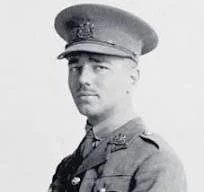
Helen Simonson’s 2016 novel The Summer Before the War, set in 1914, and Barbara Tuchman’s The Guns of August—the historian’s 1962 chronicle of events that lead to the outbreak of WW I— take us back to the summer of 1914. Their books, along with the poems of soldiers like Wilfred Owen written during the course of World War I, remind us of that war’s terrible waste as we continue to grapple with its outcome today. History matters.
1914
War broke and now the Winter of the world
With perishing great darkness closes in.
The foul tornado, centered in Berlin,
Is over all the width of Europe whirled,
Bending the sails of progress. Bent or furled
Are all Art’s ensigns. Verse wails. Now begin
Famines of thoughts and feelings. Love’s wine’s thin.
The grain of human Autumn rots, down-hurled.
For after Spring had bloomed in early Greece,
And Summer blazed her glory out with Rome,
An Autumn softly fell, a harvest home,
A slow grand age, and rich with all intense.
But now, for me, wild Winter, and the need
Of sowing for new Spring, and blood for seed.
From the poems of Wilfred Owen
(Killed a week before the Armistice in November 1918)