The Wonder of Libraries
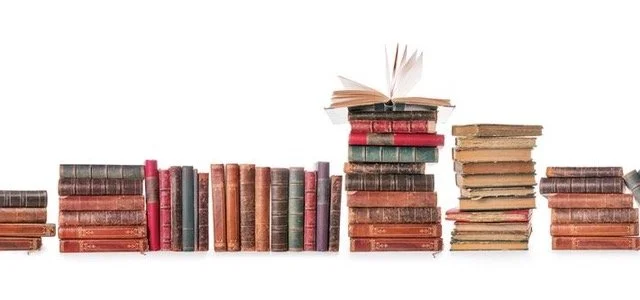
Library: Before the invention of paper, the thin inner bark of certain trees was used for writing on; this was in Latin called liber, which came in time to signify also a “book.” Hence, a library was a place for books, and a librarian, the keeper of books. Aristotle, it has been said, was the first to own a private library. Alexandria became the great library center of the Greek world. Timbuktu, on the southern edges of the Sahara Desert, became a center of Muslim learning, housing one of the world’s greatest libraries during the Middle Ages. (Brewer’s Dictionary of Phrase and Fable)
I have long been an F. O. B.—a Friend of Books. Growing up in a military family, we moved often, but happily there was always a library to explore at each Air Force base where my father was assigned. There was a comfort in knowing that no matter where my family landed, I could always revisit the friends I’d made over the years as a reader—the grand characters who lived withing the covers of books written by my favorite authors. While school friends were left behind with each move, my magic circle of literary friends never failed to journey with me.
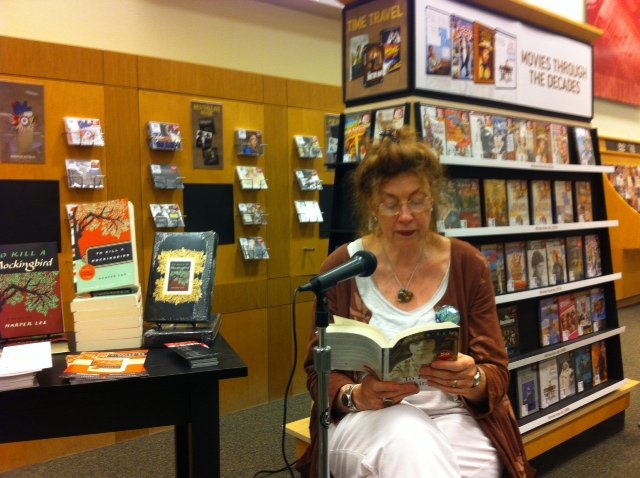
Early on, I was drawn to the quiet, open space that characterizes the libraries that live in my memory. As a writer, I work best in silence—that space beyond the wall of everyday noise that distracts my thoughts. Like falling into the rabbit hole in Alice in Wonderland, the writer in me encounters any number of worlds and adventures depending on which course my imagination chooses to wander. In a library, I am guaranteed a thousand detours along the way as I browse my way from title to title and shelf to shelf. Often, what I find is not what I set out to find, but I rarely come away from the search dissatisfied.
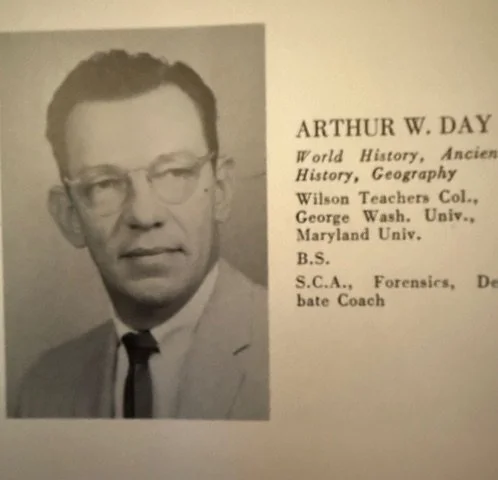
In high school, the school library was my quiet haven outside of the classroom. During my ninth grade World History class, my teacher Mr. Day assigned a year-long research project that required regular trips to the school library and after school excursions to the community’s public library. The assigned research paper was to be properly documented with citations, footnotes, and bibliographic references. For me, it was an assignment from heaven.
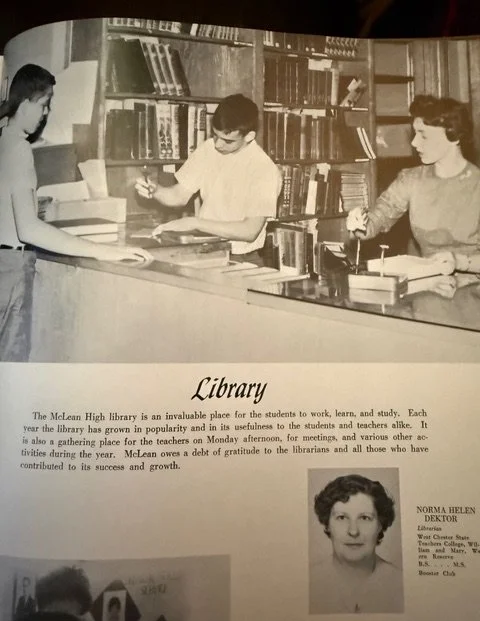
Our initial trip as a class was a browsing session in the school’s remarkably well-stocked library. Within its quiet walls that were ruled with a firm hand by the head librarian Miss Dektor (No talking or gum allowed!), I was free to peruse row after row of books on a world of possible topics for my research paper. Our assignment was to capture one significant moment in history, then spend the rest of the school year defining that moment. After being launched on this grand voyage of discovery, we were given the following words of advice to keep us true to our course—
To produce a mighty book, you must choose a mighty theme. No great and enduring volume can ever be written on the flea, though many there may be who have tried it.” (Herman Melville, Moby Dick)
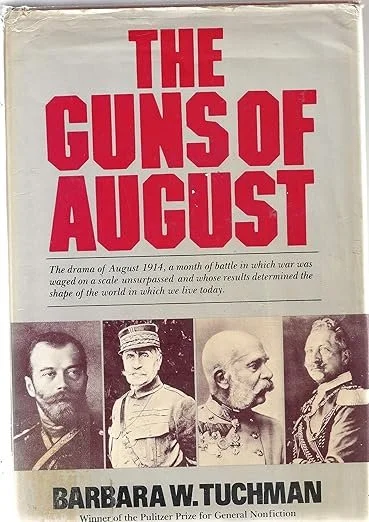
Inspired by these words from one of my favorite classic novels, I searched for a historic moment as powerful as Melville’s mighty tale. That moment I decided took place during the period that led to the outbreak of World War I. The Guns of August, Barbara Tuchman’s Pulitzer Prize winning book on the subject, is where I began my research. My 25-page, type written, single spaced term paper entitled The Causes of World WarI earned an A++ from Mr. Day, and I believe it was the best research paper I ever wrote the course of my high school and college years.
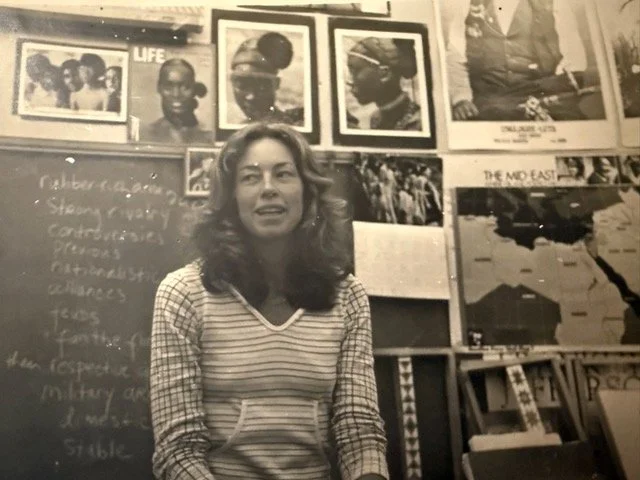
Following my years as a Peace Corps volunteer in the late 1960s, I became a teacher of 9th grade history and geography and have remained a faithful user and supporter of libraries wherever my travels have taken me. What I learned from my own library experiences both in high school and college, I tried to pass on to my own students—a sense that learning is a life-long experience.
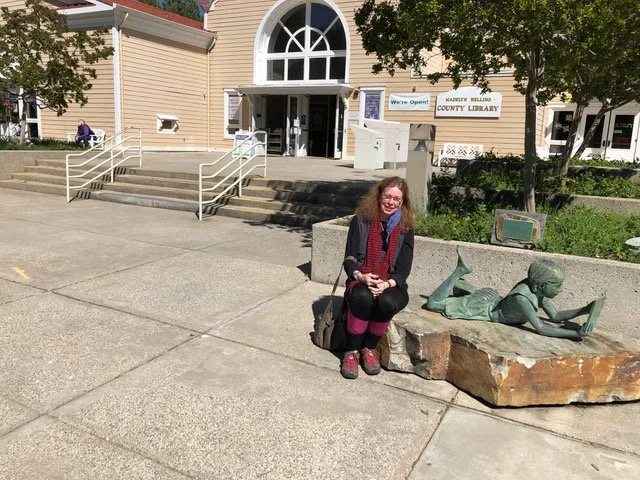
Can you imagine a world without books and libraries to house them in? How would the earthbound travel?
There is no frigate like a book
To take us lands away,
Nor any courser like a page
Of prancing poetry.
- Emily Dickinson, Poems