The Spirit of Curling
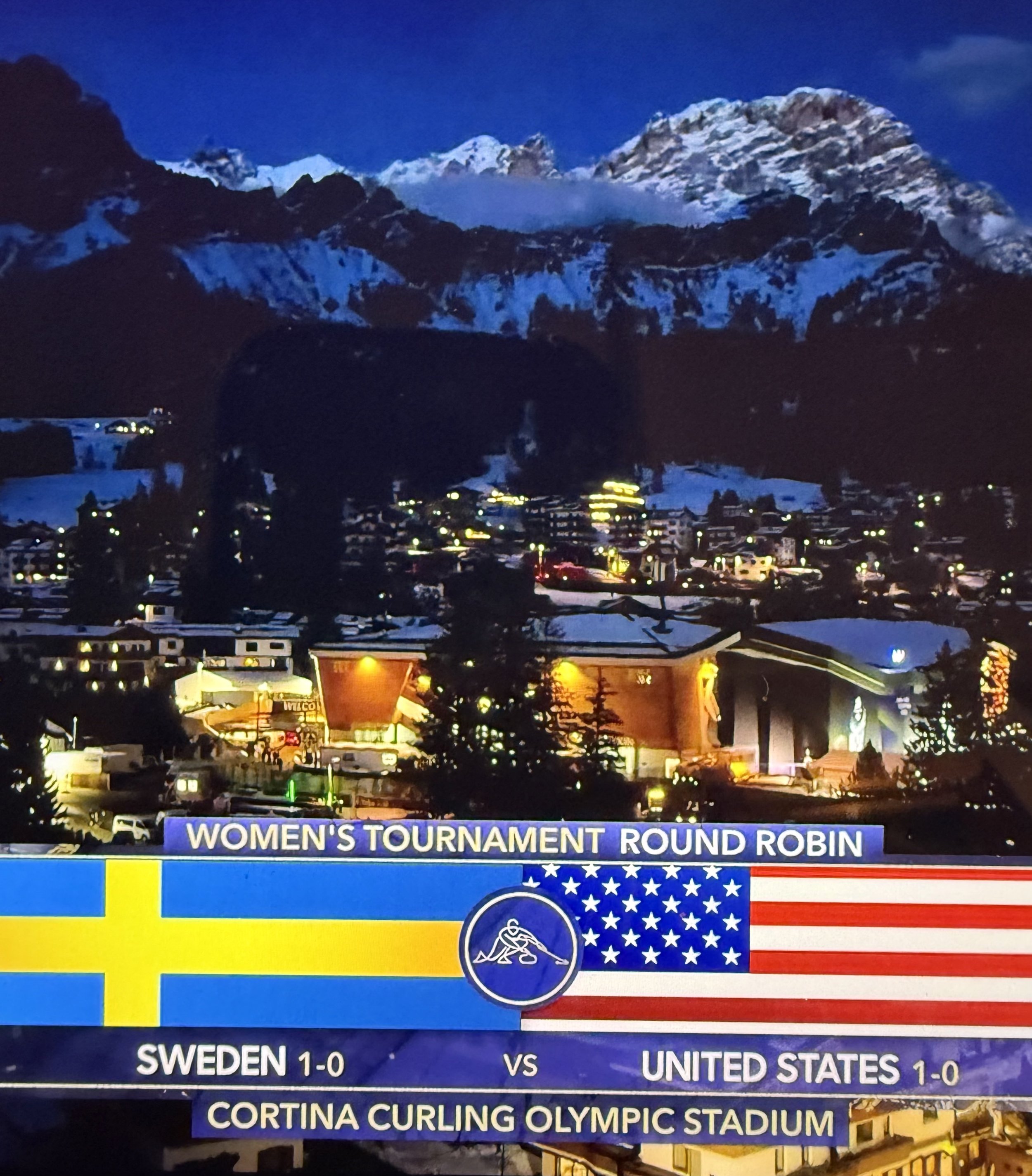
If you’ve been watching the 2026 Milano Cortina Winter Olympics and know little or nothing about the sport of curling, here are a few historical and geographic facts about this utterly delightful and civilized sport. There is evidence that curling existed in Scotland in the early 16th century. A curling stone inscribed with the date 1511, found when an old pond was drained at Dunblane, Scotland, is kept in the Stirling Smith Art Gallery and Museum in Stirling. Scotland. A painting, (dated 1565) by Pieter Bruegel the Elder depicts Flemish peasants playing Bavarian curling.
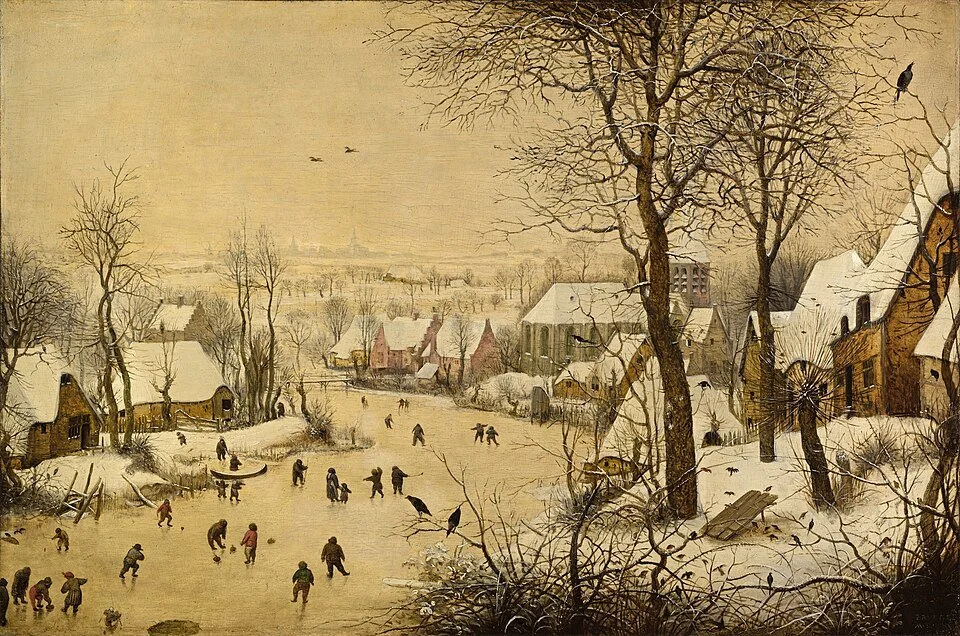
Outdoor curling was very popular in Scotland between the 16th and 19th centuries because the climate provided good ice conditions every winter. In 16th-century Scotland, people played the game on frozen lochs and marshes using stones. During the 18th century, curling flourished as clubs, societies, and different versions of the game evolved, and curling began being played throughout the Lowlands of Scotland. Indoor rinks developed in the early 20th century, with the first indoor rink in Scotland built at Crossmyloof in Glasgow in 1907.
The Kilsyth Curling Club, founded in 1716 in the Scottish town of Kilsyth, is believed to be the oldest curling organization in existence. The Grand Caledonian Curling Club (now the Royal Caledonian Curling Club) was formed in Edinburgh in 1838 to standardize rules, and Scottish settlers took the game to North America, establishing clubs in Canada (around 1759) and the U.S. (by 1832). The sport spread globally, notably to Canada and the U.S., through Scottish immigrants The sport was introduced in Switzerland and Sweden before the end of the 19th century, also by Scots. Today, curling is played all over Europe and has spread to Brazil, Japan, Australia, New Zealand, China, and South Korea.
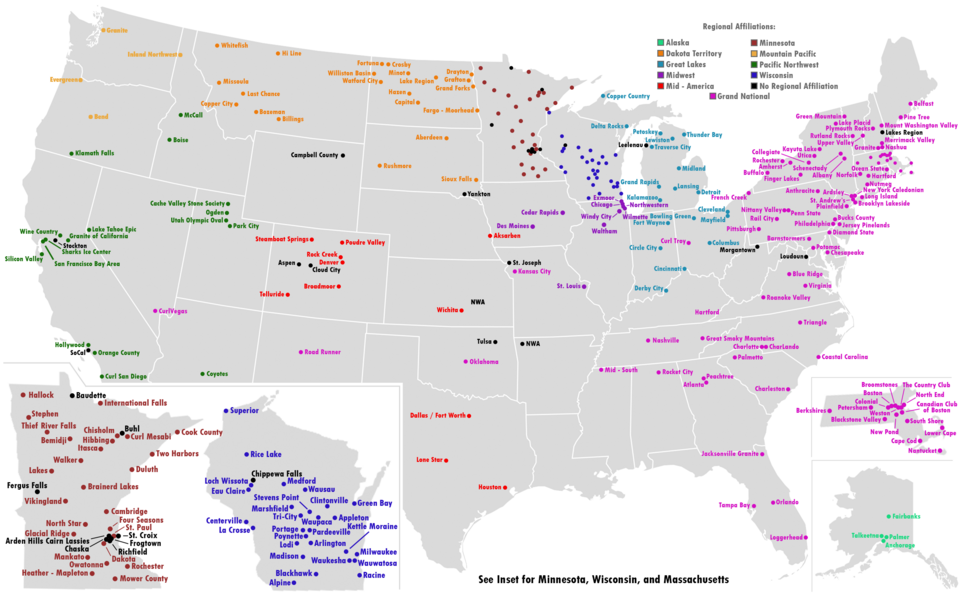
The first curling club in the United States was established in 1830. The Milwaukee Curling Club (MCC) in Cedarburg, Wisconsin, is the oldest continuously operating curling club in the U.S., founded by Scottish immigrants in 1845, initially playing on the Milwaukee River. In Minnesota, America’s "Curling Capital," curling has a huge following, especially in northern cities like Duluth, alongside strong traditions in North Dakota and other Midwestern states. Today, curling can be found in states all across America.
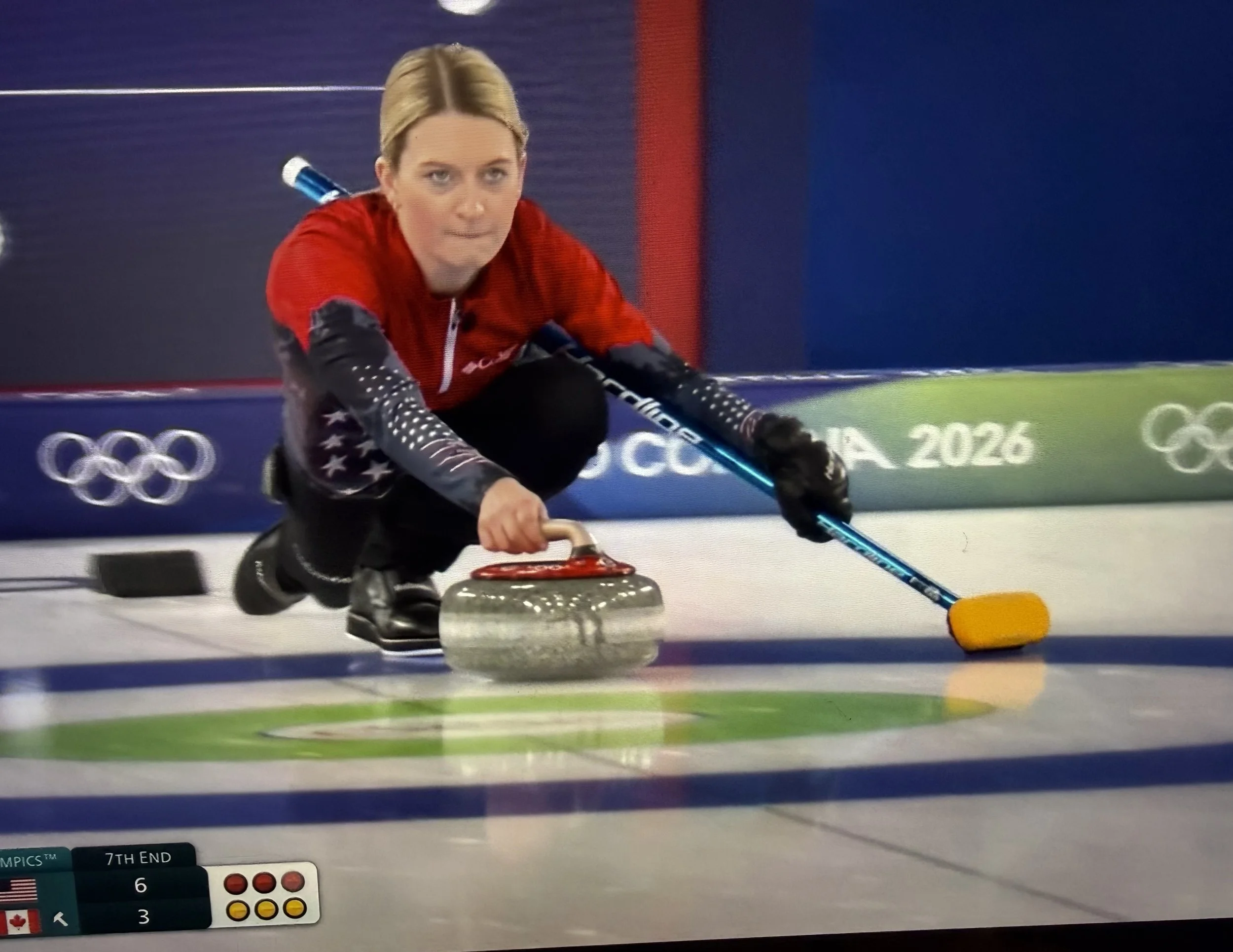
Curling is like bocce and chess played on ice. Curling players slide stones on a sheet of ice towards a target area that is segmented into four concentric circles. Two teams, each with four players, take turns sliding heavy, polished granite stones, also called rocks, across the ice curling sheet towards the house, a circular target marked on the ice. Each team has eight stones, with each player throwing two. The goal is to accumulate the highest score for a game; points are scored for the stones resting closest to the center of the house at the conclusion of each end, which is completed when both teams have thrown all of their stones once. A game usually consists of eight or ten ends.
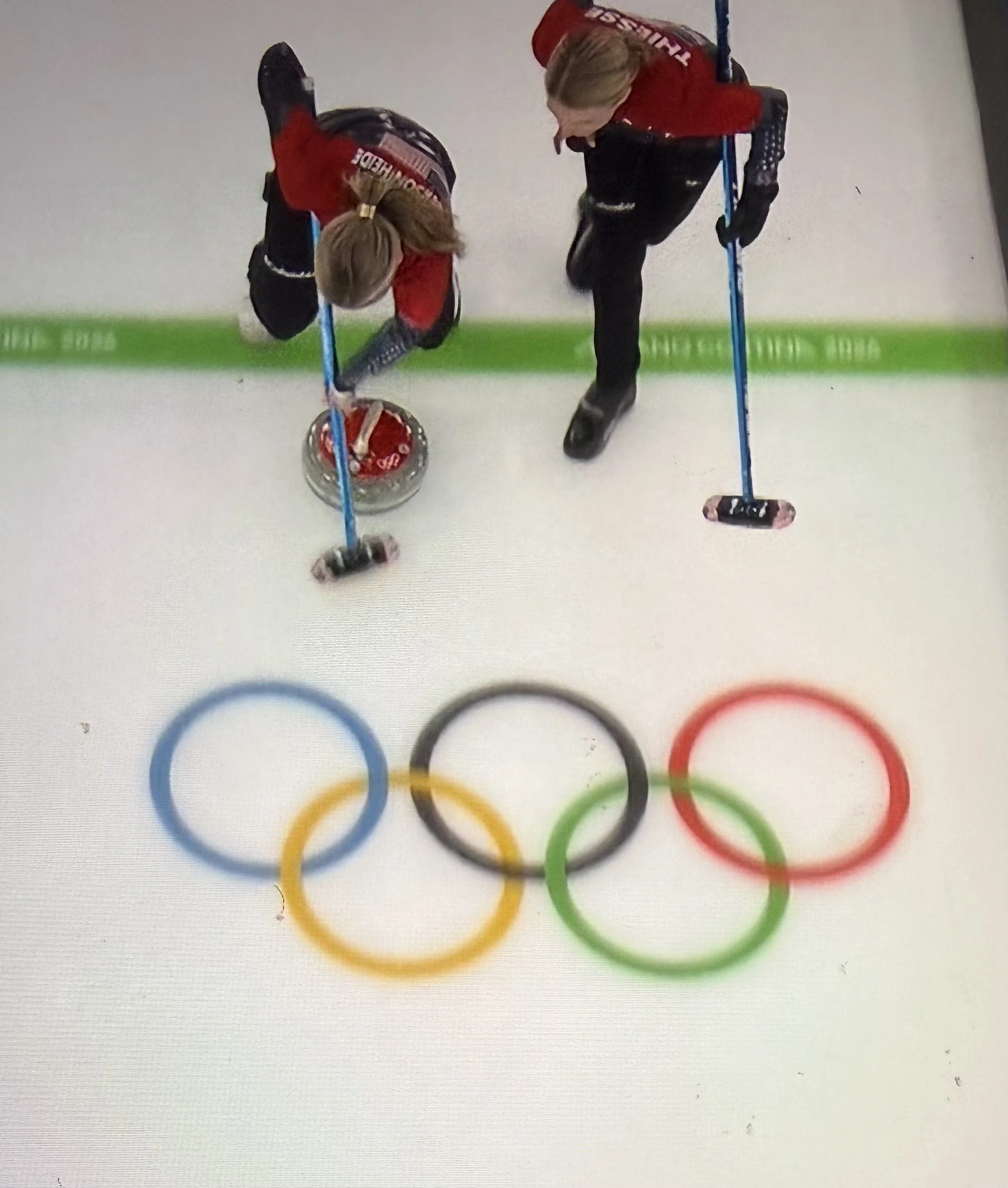
The player throwing the stone creates a curved trajectory, known as curl, by gently rotating the stone as they release it. The stone's path can also be influenced by two sweepers, using brooms or brushes, who move alongside it and sweep the ice in its path. Sweeping reduces friction, allowing the stone to travel farther and in a straighter line, with less curl. Strategy and teamwork play a crucial role in selecting the optimal path and final placement of the stone, and the skill of the players determines how accurately the stone follows the intended course.
Most professional and all Olympic curling stones are handcrafted from a unique granite harvested from a single small uninhabited island called Ailsa Craig off the west coast of Scotland. The 60-million-year-old granite rock is fine-grained, its minerals properties arranged in such a way that tightly knits them together and makes them perfect curling stones. Kays Scotland in Ayrshire has the exclusive rights to harvest the granite and produces the only stones used in the Winter Olympics.
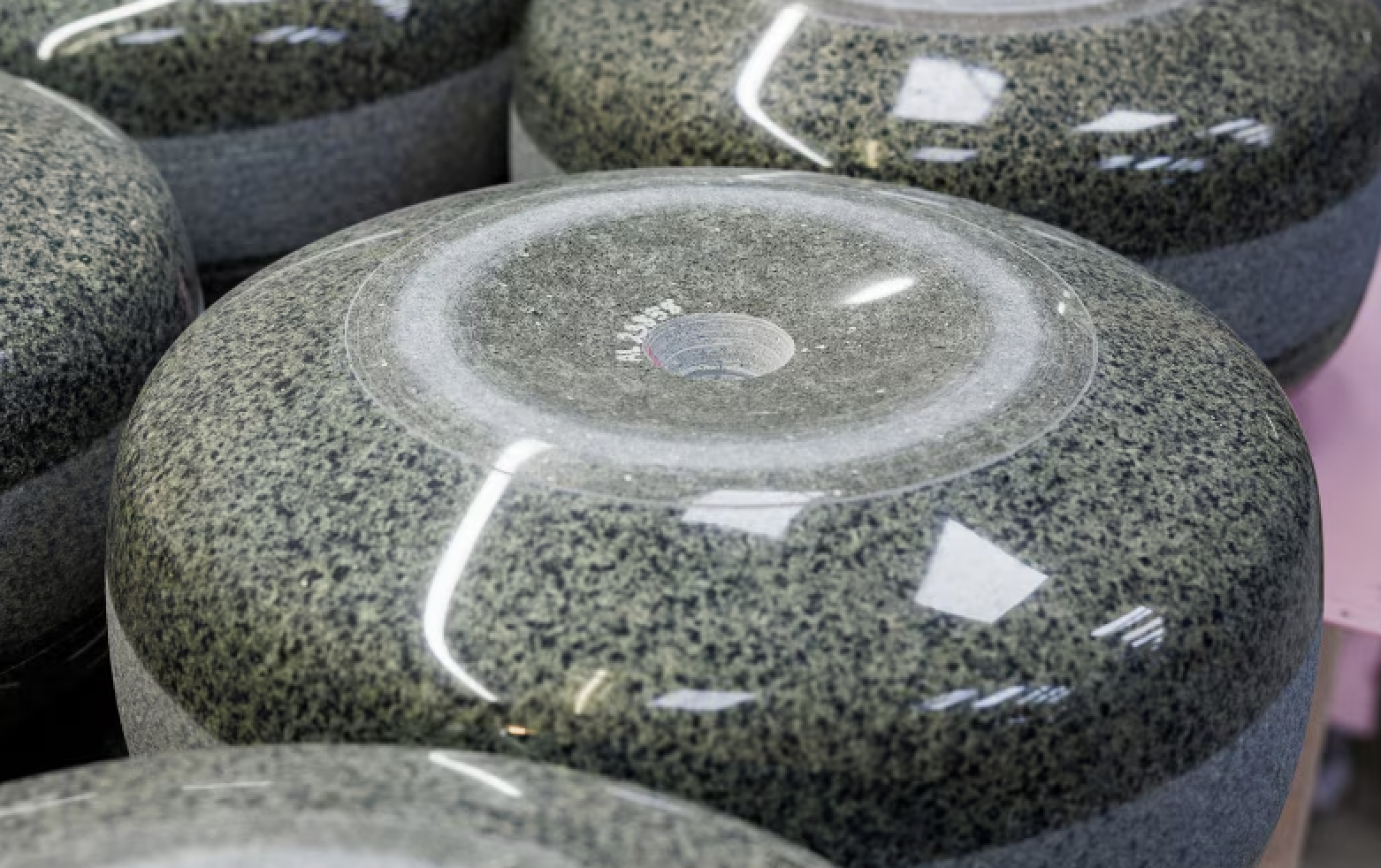
In Discover Britain Magazine, author Jeremy Flint reported recently that Kays Scotland makes 35 stones per week and exports them worldwide to 60 countries including Mongolia, Angola, South America, Nigeria, and South Korea, coupled with growth forecast in America and China (who is looking to introduce many new curling clubs). The company takes a lot of pride in the fact that their stones are now on the 2026 Winter Olympic stage for the whole world to see.
In the 20th century, curling was one of the first Winter Olympic sports, debuting as a medal event at the inaugural 1924 Winter Games hosted in Chamonix, France. At the 2026 Milano Cortina Olympic Games, curling competitions are scheduled daily at Cortina d’Ampezzo stadium from 4 to 22 February. Ten nations are competing in each of the three categories: men's, women's, and mixed doubles.

Last week in Cortina d’Ampezzo, Cory Thiesse and Korey Dropkin—the American mixed doubles team—played for the gold against Sweden’s Swedish sister-brother team of Isabella and Rasmus Wranå. The Swedes quietly prevailed over the Americans for the gold. One of the best parts of the sport is its spirit of fair play, and the tradition in which winners buy a soda for the losers after the match.
While the main objective of the game of curling is to determine the relative skill of the players, the tradition and spirit of curling demands good sportsmanship, kindly feeling and honorable conduct. In a world that feels more and more fractious, noisy, uncivil and dispirited every day, I have fallen in love with the sport of curling and its time-honored spirit of civility. For me, curling is the best of what the Olympics and the world’s nations should strive to be. Curling literally rocks!